Fighting Government Weaponization
We fight the weaponization of justice by exposing lawfare abuses and standing with those unjustly targeted, offering support to victims and their families when a politicized system fails them.
Case Snapshot
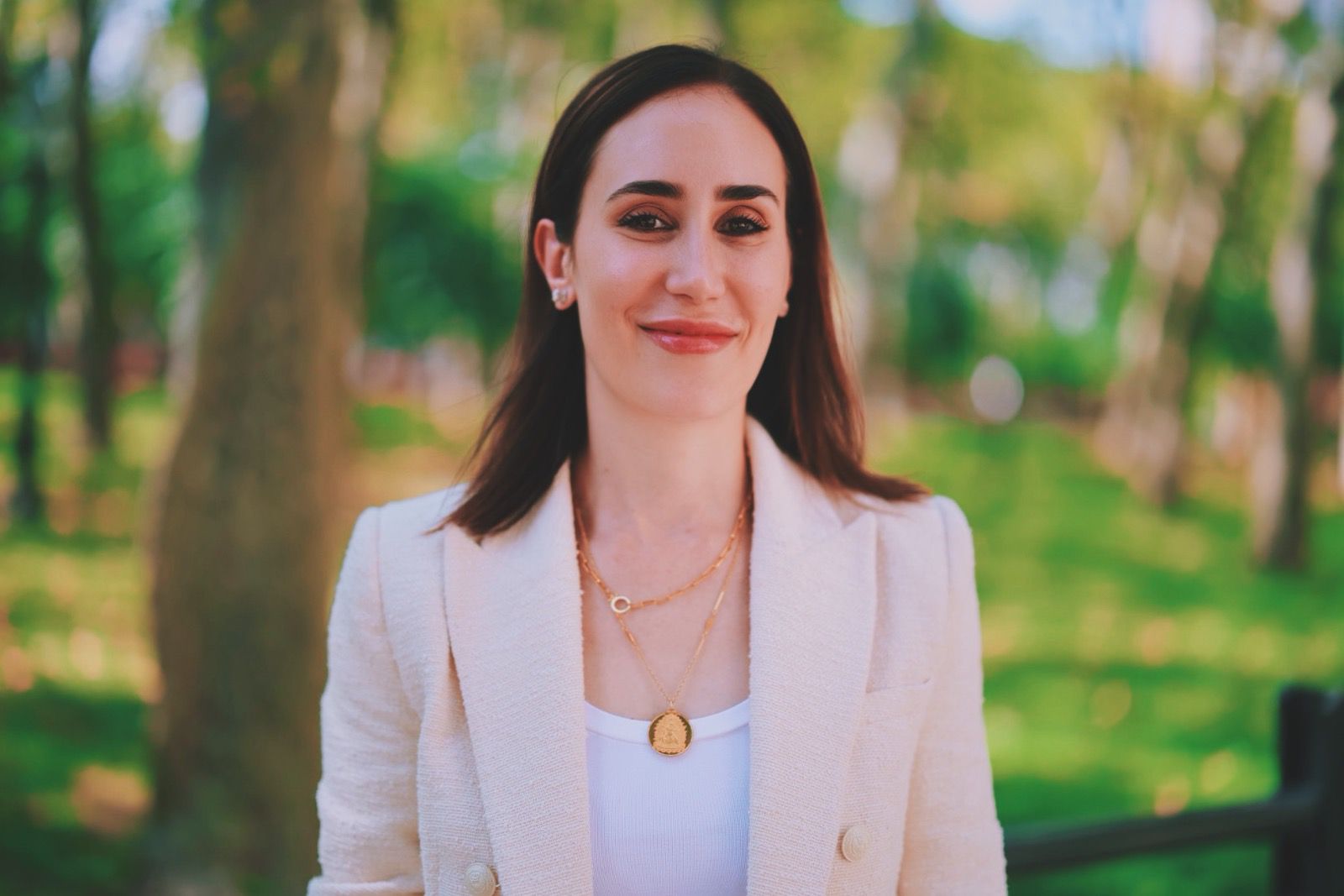
Full name | Rachel Cherwitz |
|---|---|
Display name | Rachel Cherwitz |
Home state | New York |
Federal district | Eastern District of New York, Brooklyn |
District court case | United States v. Cherwitz and Daedone, 1:23-cr-00146 (DG) |
Appellate case | United States v. Cherwitz, No. 26-943 (2d Cir.) |
Type of case | Criminal / forced labor conspiracy |
Disposition | Convicted June 9, 2025; sentenced March 30, 2026 |
Sentence | 78 months in federal prison |
Financial orders | $887,877.64 in restitution awarded to seven victims |
Core WW issue | Whether forced-labor conspiracy law and sentencing were applied with adequate safeguards for nonphysical coercion, individualized culpability, and conduct beyond the jury verdict |
Case Overview
Federal prosecutors charged Rachel Cherwitz, OneTaste’s former head of sales, and founder Nicole Daedone with one count of conspiracy to commit forced labor. The government alleged that, from approximately 2006 through May 2018, the defendants used psychological, emotional, financial, sexual, and social pressure to obtain labor and services from OneTaste members.
OneTaste promoted orgasmic meditation and other sexuality-focused wellness practices. The government argued that certain members were made dependent on the organization through debt, surveillance, isolation, manipulation, and threats of financial, social, spiritual, or reputational harm. The defense disputed that characterization and emphasized that witnesses were not physically confined and retained the ability to leave.
After a five-week trial, a federal jury convicted Cherwitz and Daedone on June 9, 2025. Because the charge was conspiracy, the jury was not required to find that a completed substantive forced-labor offense occurred; the charged agreement and intent were central to the verdict.
On March 30, 2026, Judge Diane Gujarati sentenced Cherwitz to 78 months in federal prison. The court also awarded $887,877.64 in restitution to seven victims. Cherwitz filed a direct criminal appeal in the Second Circuit, docketed as No. 26-943, and that appeal remains pending.
Why Weaponization Watch Supports This Case
Weaponization Watch does not minimize Cherwitz’s forced-labor conspiracy conviction, the testimony of women who described coercion and abuse, or the government’s responsibility to prosecute genuine exploitation. Federal forced-labor law expressly recognizes that coercion can be psychological, financial, reputational, or otherwise nonphysical.
Weaponization Watch supports careful review of Cherwitz’s case because the same trial raises significant questions about the boundary between intense social or psychological pressure and criminal coercion, the handling of allegedly privileged OneTaste materials, and the scope of conspiracy liability. Her case also presents a distinct sentencing question: whether a 78-month term adequately reflected her individual role as an employee and head of sales rather than OneTaste’s founder, and whether sentencing arguments based on broader alleged conduct were applied with sufficient procedural safeguards. Supporting that review does not require a final judgment about guilt or innocence.
Key Public-Interest Questions
How should courts distinguish criminal “serious harm” from intense social, psychological, spiritual, or financial pressure in a community whose members were not physically confined?
Did the conspiracy instructions give the jury a sufficiently clear framework for deciding whether Cherwitz knowingly agreed to obtain labor through prohibited coercive means?
Did the sentence adequately distinguish Cherwitz’s individual role, authority, financial benefit, and culpability from those of OneTaste founder Nicole Daedone?
What safeguards should apply when sentencing arguments rely on alleged conduct that was not separately charged or submitted to the jury?
What role did allegedly stolen or privileged OneTaste corporate materials play in the investigation and trial, and what remedies are available when defendants challenge the government’s use of such material?
Did the trial fairly allow the defense to place evidence of members’ ability to leave and their contemporaneous conduct against the government’s evidence of psychological, financial, and sexual coercion?
Was the 78-month sentence proportionate to Cherwitz’s offense of conviction, her individual role in the organization, and the sentencing record considered by the court?
Case Documentation Note
This case involves a forced-labor conspiracy conviction, allegations of sexual abuse and psychological coercion, and testimony concerning serious harm to victims. Weaponization Watch does not minimize the conviction or the experiences described by witnesses. This file documents legal, evidentiary, sentencing, and due-process questions raised by the defense and public record and does not declare guilt or innocence.
Timeline
Date / Period | Event |
|---|---|
2006–May 2018 | The government alleged that Cherwitz, Daedone, and others participated in a forced-labor conspiracy involving OneTaste members. |
June 6, 2023 | The federal indictment was unsealed in the Eastern District of New York, charging Cherwitz and Daedone with forced labor conspiracy. Cherwitz was arrested the same day. |
May–June 2025 | Cherwitz and Daedone were tried before Judge Diane Gujarati in a five-week jury trial in Brooklyn. |
June 9, 2025 | The jury convicted both defendants of forced labor conspiracy. |
March 30, 2026 | Cherwitz was sentenced to 78 months in federal prison. The court awarded $887,877.64 in restitution to seven victims of the defendants. |
April 13, 2026 | Cherwitz’s direct criminal appeal was opened in the Second Circuit as Case No. 26-943. |
Current | The direct appeal remains pending in the Second Circuit. |
Key Concerns
Nonphysical coercion and serious harm: Forced-labor law can reach psychological, financial, reputational, and other nonphysical forms of harm. The defense emphasized that witnesses were not physically restrained and could leave; the government argued that dependency, debt, surveillance, isolation, sexual pressure, and threats of social or financial ruin made that formal freedom insufficient.
Individualized role and culpability: Cherwitz was OneTaste’s head of sales and was convicted alongside founder Nicole Daedone. The government portrayed Cherwitz as an important participant in the conspiracy. The defense and supporters emphasize that she was not the founder or owner and argue that sentencing should carefully distinguish her authority, financial benefit, and personal conduct from Daedone’s.
Conspiracy without a completed substantive offense: The charged offense was conspiracy to commit forced labor. Conspiracy law permits conviction based on an unlawful agreement and intent without a separate conviction for a completed substantive offense, making precise instructions about agreement, intent, and coercion especially important.
Sentencing based on broader alleged conduct: The defense objected to sentencing adjustments and arguments tied to conduct that was not separately charged or submitted to the jury. Federal sentencing permits courts to consider a broad record, but the reliability of that information, the standard of proof, and the defendant’s opportunity to contest it remain important due-process questions.
Privileged corporate material: The defense alleged that the FBI obtained OneTaste material that included attorney-client privileged documents and challenged the government’s handling and use of it.
Sentence and restitution: Cherwitz received 78 months in prison, 30 months less than Daedone’s 108-month term. The court also awarded $887,877.64 in restitution to seven victims. The basis for the sentencing difference, the enhancements considered, and the proportionality of Cherwitz’s punishment are appropriate subjects for transparent appellate review.
Why This Case Matters
Forced-labor laws were written to reach coercion that does not depend on chains, locked doors, or physical violence. That breadth is important because exploitation can be psychological and financial. It also makes clear limiting principles essential when criminal law is applied to unconventional communities, workplaces, and belief systems.
Cherwitz’s case adds an individualized-sentencing question to the broader OneTaste prosecution. Co-defendants may be convicted of the same conspiracy while having different authority, financial interests, conduct, and responsibility. Sentencing should make those distinctions transparent and explain how the final punishment reflects the defendant actually before the court.
The case also raises institutional questions about conspiracy instructions, potentially privileged material, and the use of broader alleged conduct at sentencing. Whatever the ultimate appellate outcome, clear rules in these areas protect victims, defendants, and public confidence in legitimate trafficking enforcement.
Document Vault
Document | Source / Description |
|---|---|
DOJ Indictment Release | Eastern District of New York release dated June 6, 2023 announcing the forced-labor conspiracy charge. |
DOJ Conviction Release | Eastern District of New York release dated June 9, 2025 reporting the jury verdict after a five-week trial. |
DOJ Sentencing Release | Eastern District of New York release dated March 30, 2026 reporting Cherwitz’s 78-month sentence and the restitution award. |
Second Circuit Appeal Docket | United States v. Cherwitz, No. 26-943, concerning Cherwitz’s direct criminal appeal. |