Fighting Government Weaponization
We fight the weaponization of justice by exposing lawfare abuses and standing with those unjustly targeted, offering support to victims and their families when a politicized system fails them.
Case Snapshot
Field | Information |
|---|---|
Full name | Dr. Sanjeev Kumar |
Case type | Federal criminal prosecution |
Disposition | Convicted in federal court and sentenced to a lengthy term of imprisonment |
Professional review | Tennessee Department of Health complaint closed without disciplinary action on September 17, 2024 |
Clemency support | Mississippi State Senator Chad McMahan requested presidential pardon consideration on June 18, 2026 |
Case focus | Alleged government weaponization, prosecutorial overreach, due process, executive clemency, and collateral damage |
Core WW issue | Whether federal investigative and prosecutorial authority was exercised fairly, proportionately, and with appropriate restraint |
Case Overview
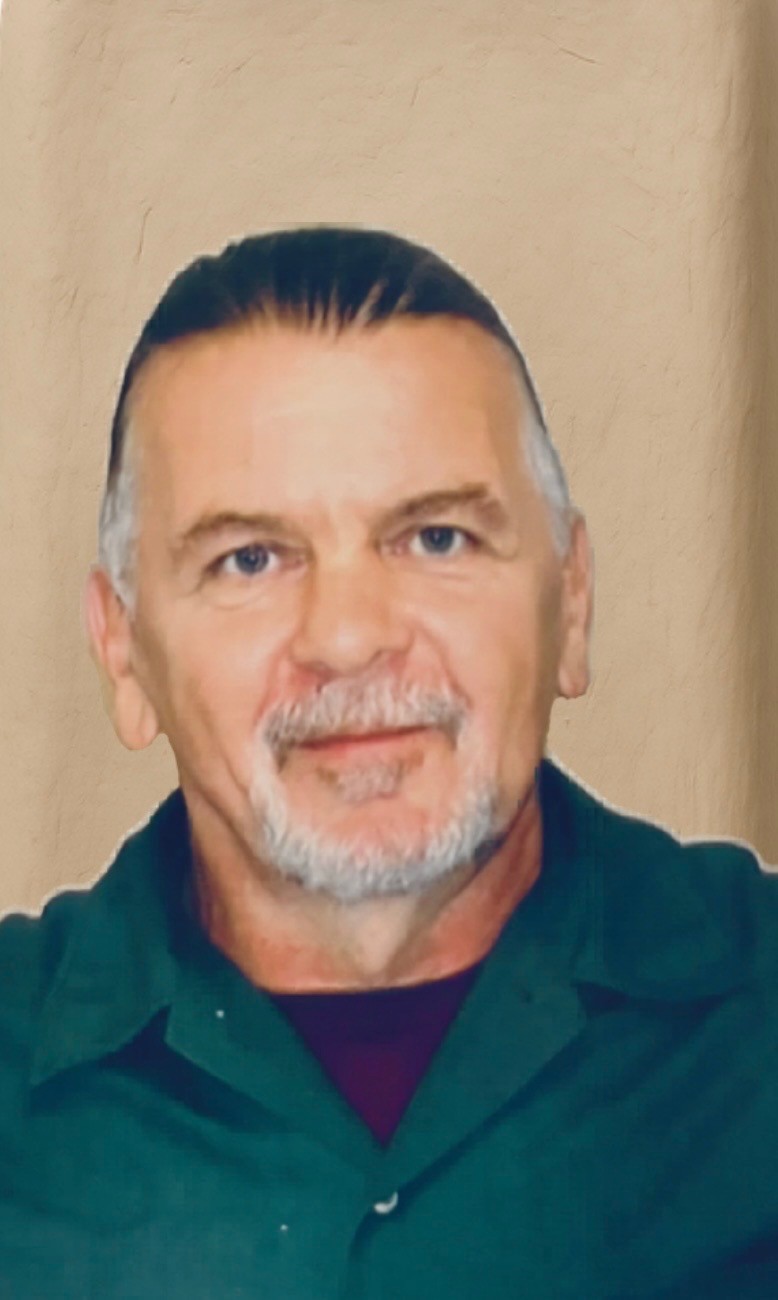
Dr. Sanjeev Kumar’s federal prosecution is being closely monitored by Weaponization Watch because supporters say the case evolved from a previously closed Medicaid-fraud investigation into a sweeping criminal prosecution built on increasingly aggressive legal theories.
The United States government maintains that the prosecution was lawful and supported by the evidence presented at trial. Weaponization Watch is not determining guilt or innocence. The public-interest concern is whether federal prosecutors exercised their broad authority fairly, proportionately, and with sufficient restraint.
The case also raises questions about collateral damage. Supporters describe consequences extending beyond Dr. Kumar to his family, employees, patients, and community. A 2026 clemency letter from Mississippi State Senator Chad McMahan asked the President to consider whether the punishment imposed was proportionate to the actual harm alleged.
Why Weaponization Watch Supports This Case
Federal prosecutors possess extraordinary authority. They may reopen investigations, issue subpoenas, convene grand juries, obtain warrants, compel testimony, negotiate cooperation agreements, and bring charges carrying decades of imprisonment.
Those powers are essential to prosecuting legitimate crime, but they also require meaningful restraint and accountability. Supporters of Dr. Kumar argue that his case shows how prosecutorial discretion can become prosecutorial overreach when an investigation continues expanding, charging theories grow more aggressive, and sentencing exposure becomes overwhelming.
Weaponization Watch is documenting the case because the limits of prosecutorial power affect every American, regardless of politics, profession, or background.
Key Public-Interest Questions
Why was a previously closed investigation reopened, and what new evidence justified that decision?
Did the investigation expand in response to evidence, or did prosecutors construct an increasingly broad theory of criminal liability?
Were the charging decisions proportionate to the conduct and identifiable harm alleged?
Did government communications influence or expand the pool of people later identified as victims?
What safeguards protect citizens when federal prosecutorial discretion becomes excessive?
Should Dr. Kumar’s professional record, the state licensing outcome, and the collateral impact be considered in executive-clemency review?
Case Documentation Note
This case file documents allegations and public-interest concerns raised by Dr. Kumar, his supporters, advocates for executive clemency, and public officials. The federal government disputes many of those allegations and maintains that the prosecution and conviction were supported by the evidence presented in court. Weaponization Watch is examining the exercise of government power, not determining legal guilt or innocence.
Timeline
Date / Period | Event |
|---|---|
Initial investigation | Supporters state that authorities investigated suspected Medicaid fraud and closed the matter without criminal prosecution. |
Later reopening | Supporters state that the matter was reopened years later and expanded into a broader federal criminal case. |
Federal prosecution | The reopened matter resulted in a multi-count federal prosecution, conviction, and a lengthy sentence. |
Patient communications | Supporters allege that a federal prosecutor sent letters informing former patients that they may have been victims, after which some individuals asserted victim status or sought compensation. The allegation is disputed. |
September 17, 2024 | The Tennessee Department of Health informed Dr. Kumar that sufficient evidence had not been collected or was not available to merit further action on Complaint No. 202401372. The letter states that the outcome was not disciplinary and would not appear on his public licensure file. |
June 18, 2026 | Mississippi State Senator Chad McMahan asked President Donald J. Trump to consider a pardon for Dr. Kumar, citing concerns about fairness, proportionality, and the absence of publicly identified patients alleging injury or loss. |
Current | Supporters continue to seek executive clemency and public review of proportionality, prosecutorial conduct, and collateral harm. |
Key Concerns
Reopening a closed investigation: Supporters question what new evidence or circumstances justified reviving a matter they say had previously been closed.
Expanding prosecutorial theories: The case raises the question of whether investigators followed evidence wherever it led or continued developing broader theories until a criminal case could be sustained.
Alleged victim development: Supporters allege that government letters may have influenced former patients to identify themselves as victims. The allegation remains disputed and should be evaluated against the underlying records.
Proportionality and actual harm: Senator McMahan’s clemency letter states that publicly available reports have led observers to question whether identifiable patients suffered physical injury, infection, financial damages, or deprivation of medical rights.
Professional-board outcome: The Tennessee Department of Health closed a separate complaint after determining that sufficient evidence had not been collected or was not available to merit further action. Licensing and criminal proceedings use different standards, but the outcome is part of the broader public record.
Collateral damage: The consequences of prosecution may extend to family members, employees, patients, businesses, and communities that were not accused of wrongdoing.
Spotlight
Dr. Sanjeev Kumar’s case is about more than one physician and one federal prosecution.
Supporters say an investigation that had once been closed returned years later, expanded into a sweeping criminal case, and produced consequences reaching far beyond the defendant.
Weaponization Watch is examining whether federal power was exercised fairly, whether the punishment was proportionate to the harm, and whether the safeguards meant to restrain prosecutorial authority worked as intended.
Why This Case Matters
Federal prosecutorial power is among the most consequential powers the government possesses. A prosecution can reshape a person’s life, family, business, and reputation long before every appeal is exhausted.
The central question is not whether federal law should be enforced. It should. The question is whether enforcement remains tethered to fairness, actual harm, proportionality, and constitutional restraint.
When those questions remain unresolved, transparency and independent review are part of protecting public confidence in the justice system.
Document Vault
Document | Source / Description |
|---|---|
Tennessee Department of Health Disposition Letter | Complaint No. 202401372, dated September 17, 2024 |
Senator Chad McMahan Clemency Letter | Letter to President Donald J. Trump requesting consideration of a pardon, dated June 18, 2026 |